Creativity, Action, and Service (CAS) is a core element of the International Baccalaureate Diploma Program, a global high school qualification that serves as an ideal pathway to top universities and lucrative employment opportunities the world over.
With its holistic approach, CAS is designed to strengthen and extend students’ personal and interpersonal learning in order to equip them with the skills necessary for success in the increasingly competitive 21st century.
In order to fulfil the CAS component, students are required to undertake a collaborative project that incorporates the elements of:
Creativity – exploring and extending ideas leading to an original or interpretive product or performance.
Action – physical exertion contributing to a healthy lifestyle.
Service – collaborative and reciprocal engagement with the community in response to an authentic need.
From organising and performing a dance production for a community retirement home to hosting an education fair for children from less privileged backgrounds, there is no end to the kind of projects that students can undertake to fulfil the CAS component.
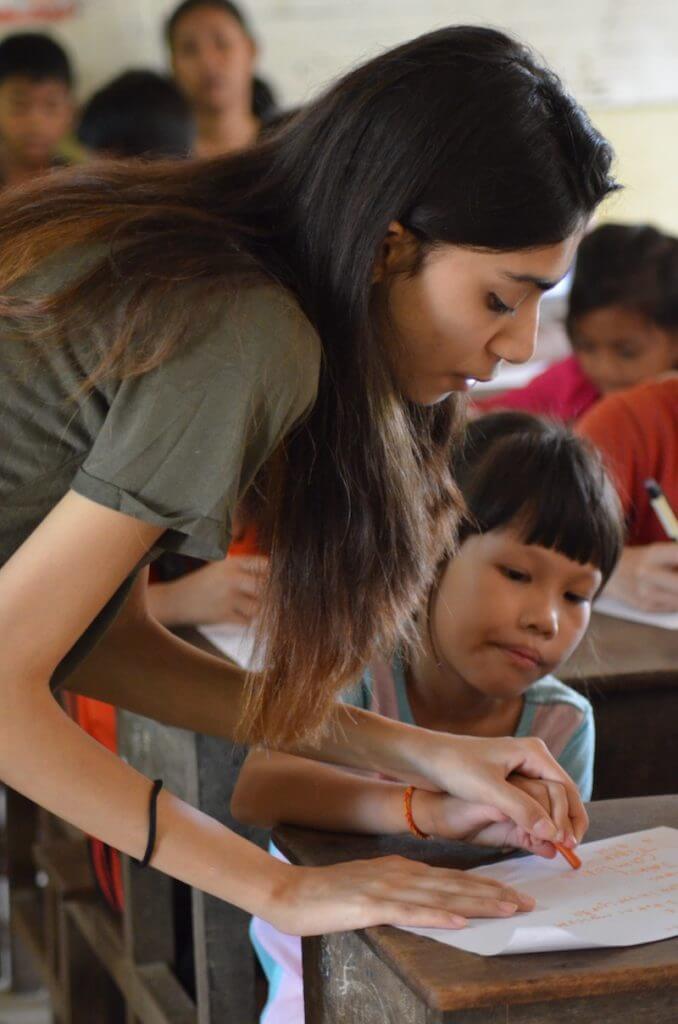 At Ahmedabad International School, in our endeavour to cultivate international-mindedness, eleventh graders travel to Cambodia for a culturally immersive CAS experience. In Siem Reap, students engage in a range of activities, such as:
-Painting & refurbishing local school buildings; collaborating with local children to decorate the school building (Creativity)
Building huts out of plastic bottles filled with sand (Action)
Teaching English to local school children (Service)
The students also get the opportunity to visit historically and culturally significant places such as renowned heritage site, Angkor Wat and other temples, the war museum, and Artisans D’Angkor – a social business creating opportunities for young people in rural areas through revival of traditional Khmer craftsmanship.
Below is a video created by eleventh graders who were in Cambodia during October this year:
The CAS project is a lifelong learning opportunity that exposes young people to real world problems and enables them to take practical, tangible measures to address them. Here are some of the most significant ways in which this shapes young people into empowered leaders and problems solvers.
Sensitivity, empathy & responsibility
As the world gradually merges into a single connected community, it is increasingly important for people, nations and economies to work seamlessly together. This is where empathy – the ability to integrate others’ perspectives with one’s own – becomes a critical skill for effective leadership.
Well-known science journalist, Daniel Goleman’s work demonstrates how empathy fuels intrinsic motivation and effective problem-solving. People who empathise well make others feel that their work is respected and worthwhile. This fosters connection and helps individuals effectively collaborate to make a difference in the world.
Spending a week working toward positive change in a foreign country imbibes our IB students with empathy and sensitivity toward local and global communities. It helps them to practically understand their own roles within these communities and the responsibilities they have toward each other and the environment. These learnings mould them into effective leaders of tomorrow who are willing and equipped to actively participate and collaborate in sustainable projects for change.
Critical thinking, teamwork and leadership skills
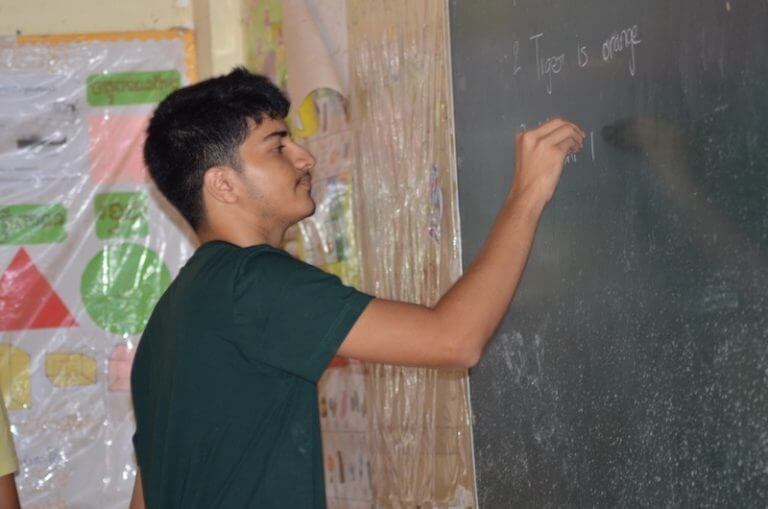 The CAS component provides students with opportunities to solve real-world problems which entail critical thinking, teamwork and leadership. Experiencing and participating in a foreign culture enables students to purposefully reflect upon their experiences, identify goals, develop strategies and determine further actions for personal and collective growth.
IB Diploma students are compelled to think critically about the complex problems facing the world so as to come up with viable solutions. This is a key skill for success in the rapidly changing professional and global landscape of the 21st century.
Broader worldview
The CAS component allows students the invaluable opportunity to explore new possibilities, embrace new challenges and adapt to new roles, all within the purview of high school education. Working in and experiencing the culture of a foreign country like Cambodia inspires open mindedness and enriches the perspectives of students. They understand the value and need of considering cultural influences in decision making and development initiatives. On the whole, they acquire and demonstrate the skills and sensitivity to reflect upon their efforts so as to make improvements where required and make a true and valuable contribution to every group or community they belong to.
–
We are now accepting applications to the IB Diploma Programme (Grade 11) for 2018-19.
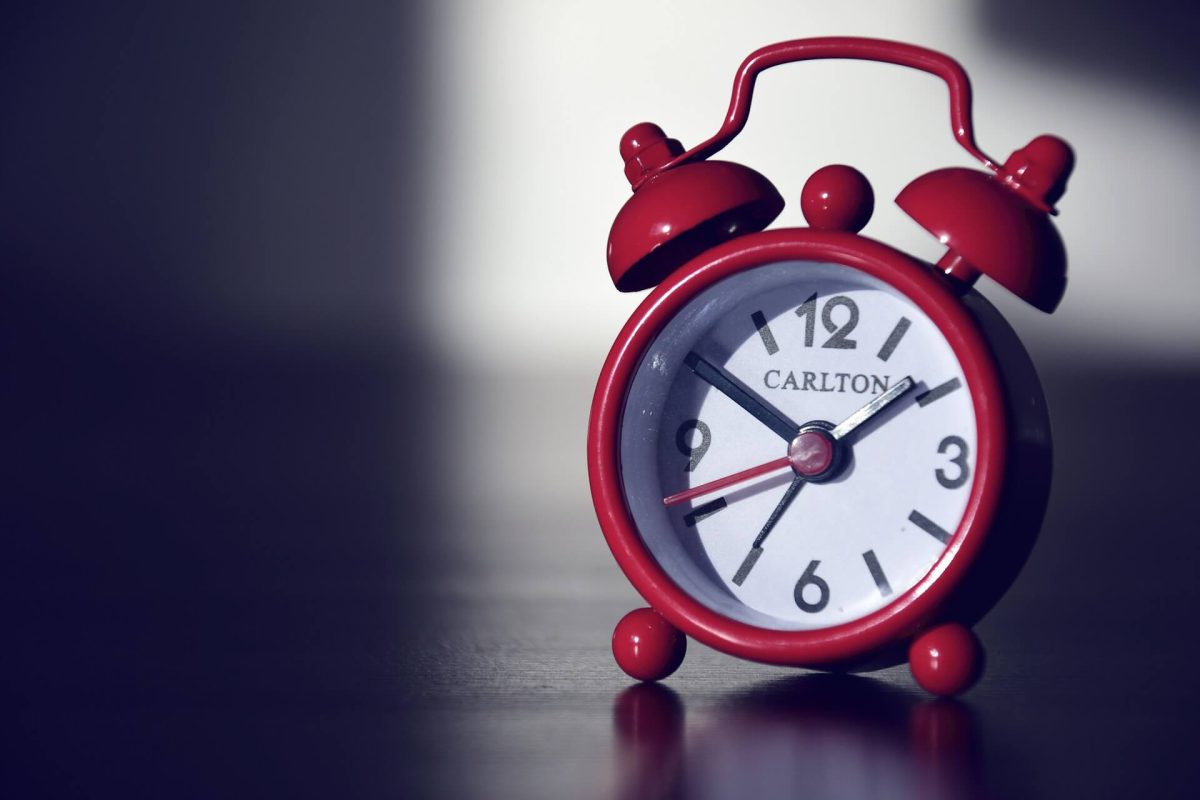
 You’ve probably heard it before and you’ll definitely hear it again from all kinds of experts, but gadgets such as televisions, computers and smart phones significantly interfere with restful sleep. As far as possible, avoid having such devices in the bedro
 Food and drink taken before bedtime significantly impacts the quality of sleep. Make sure you eat at least two or three hours before bedtime to give your stomach enough time to digest the food. If you must eat right before bed, dieticians Catherine Christie and Susan Mitchell in their book
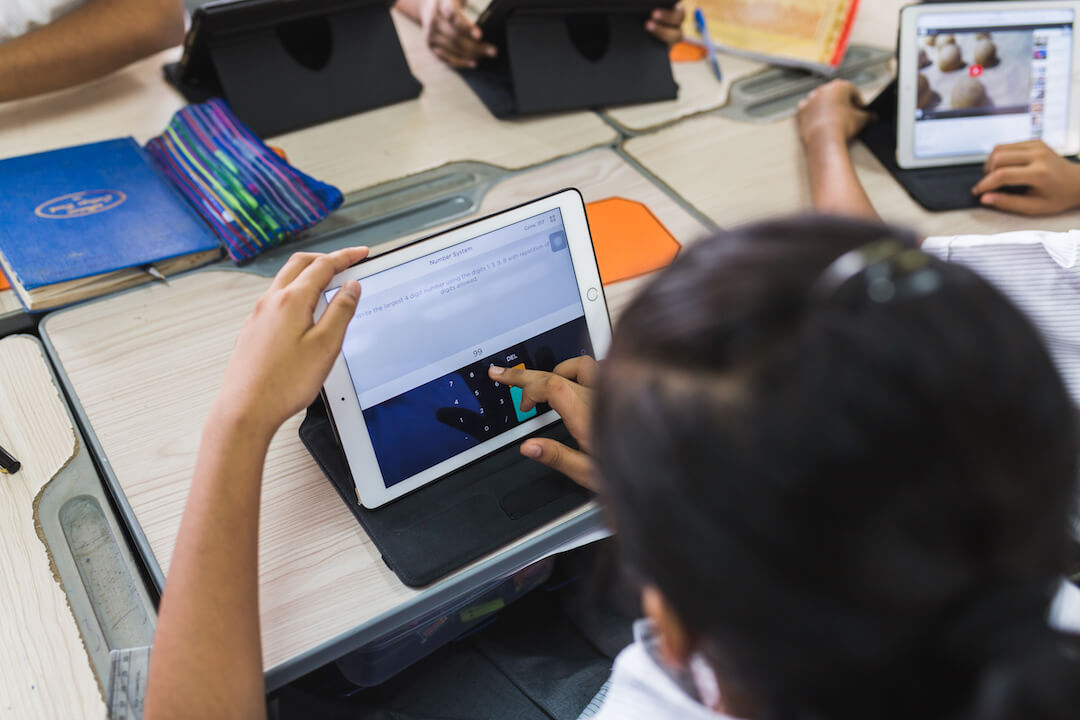


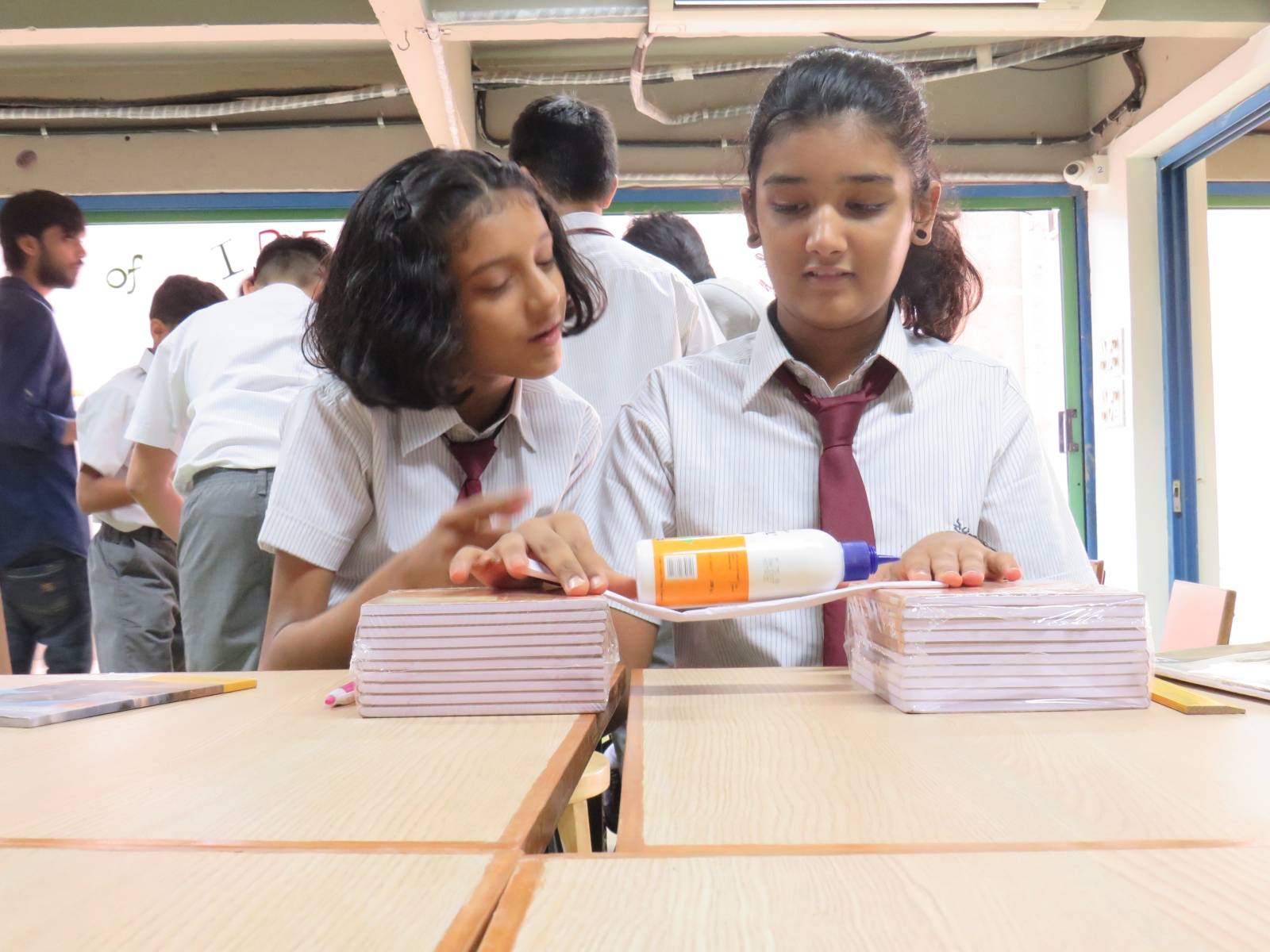
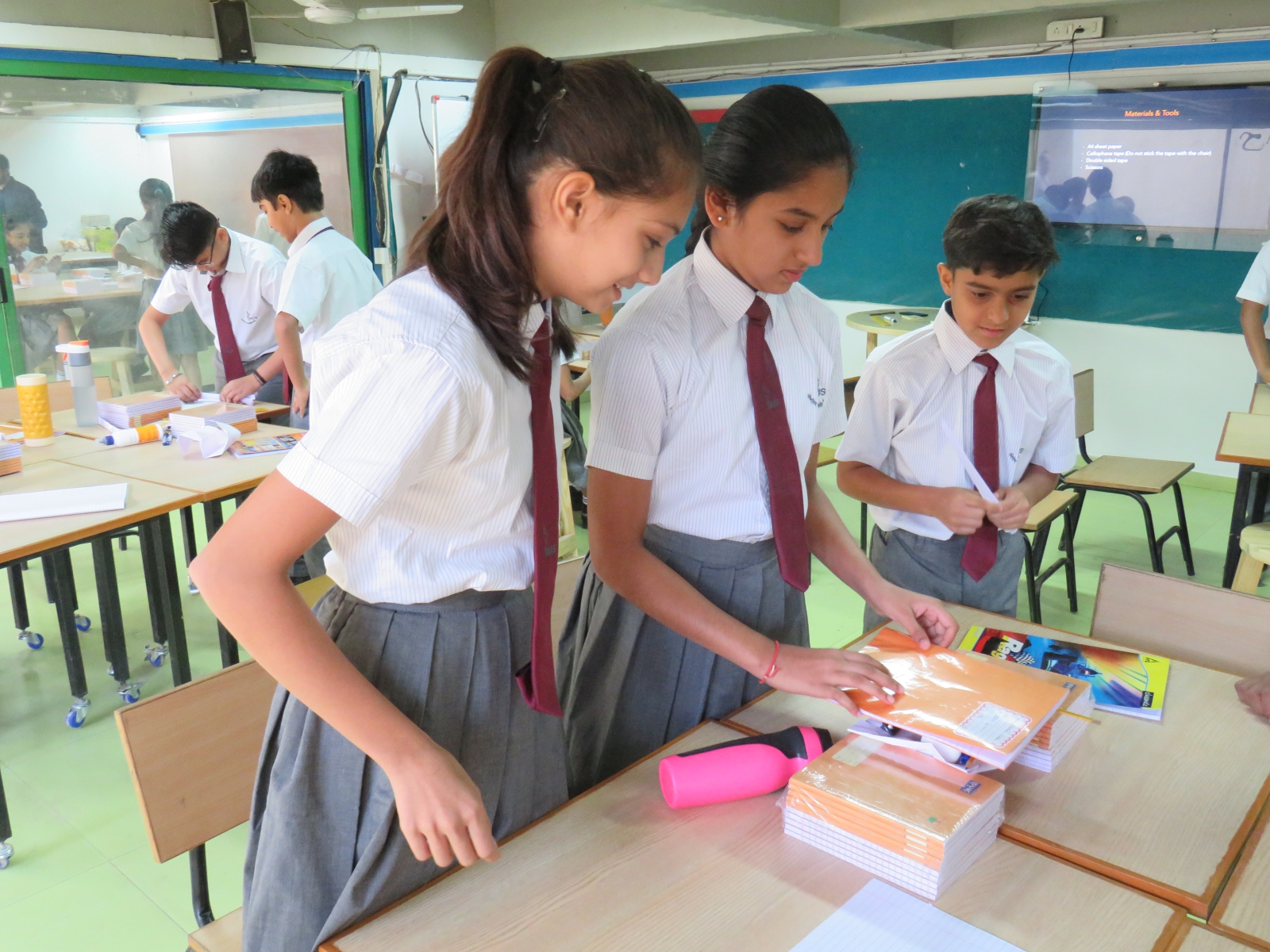
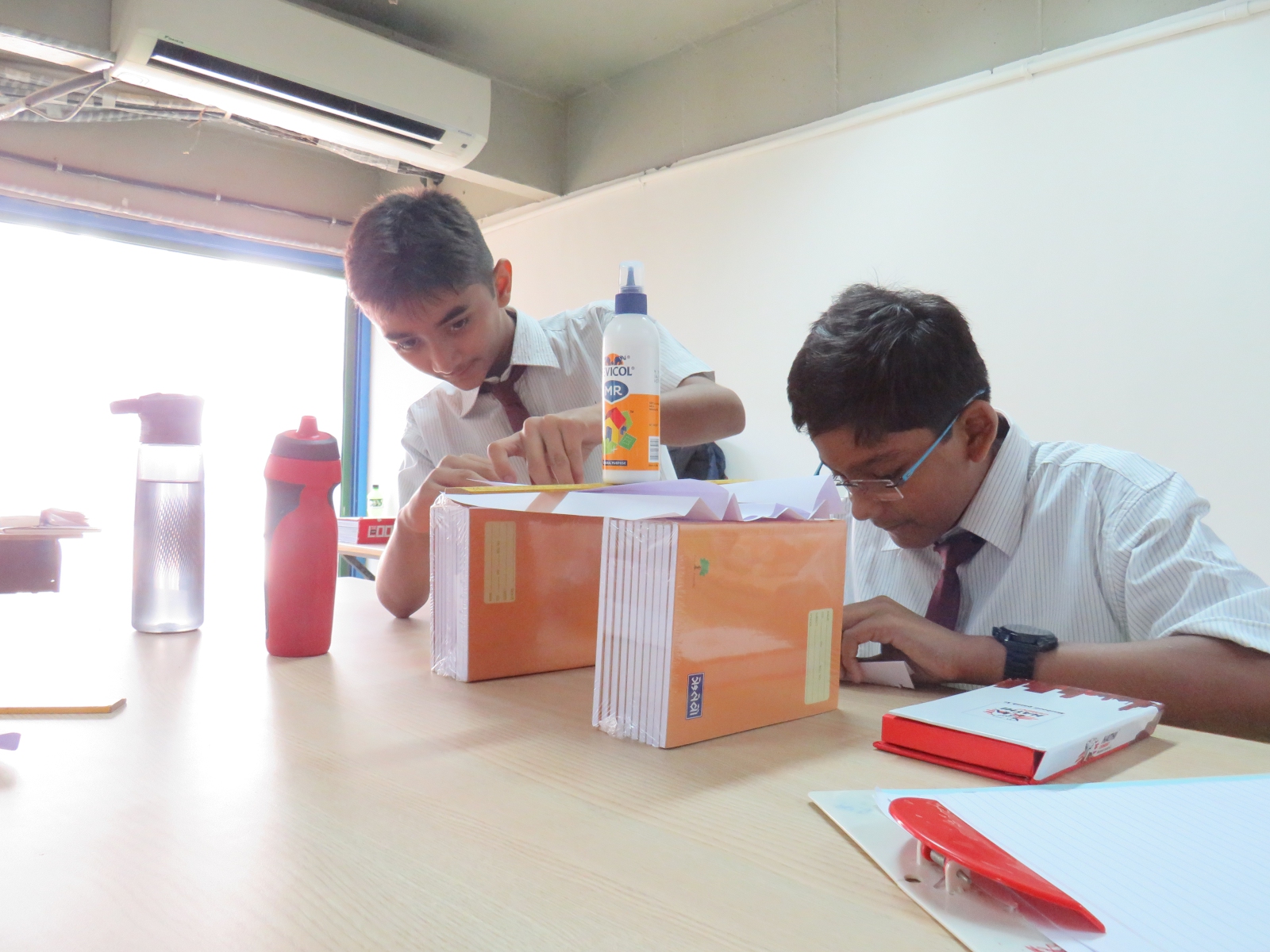
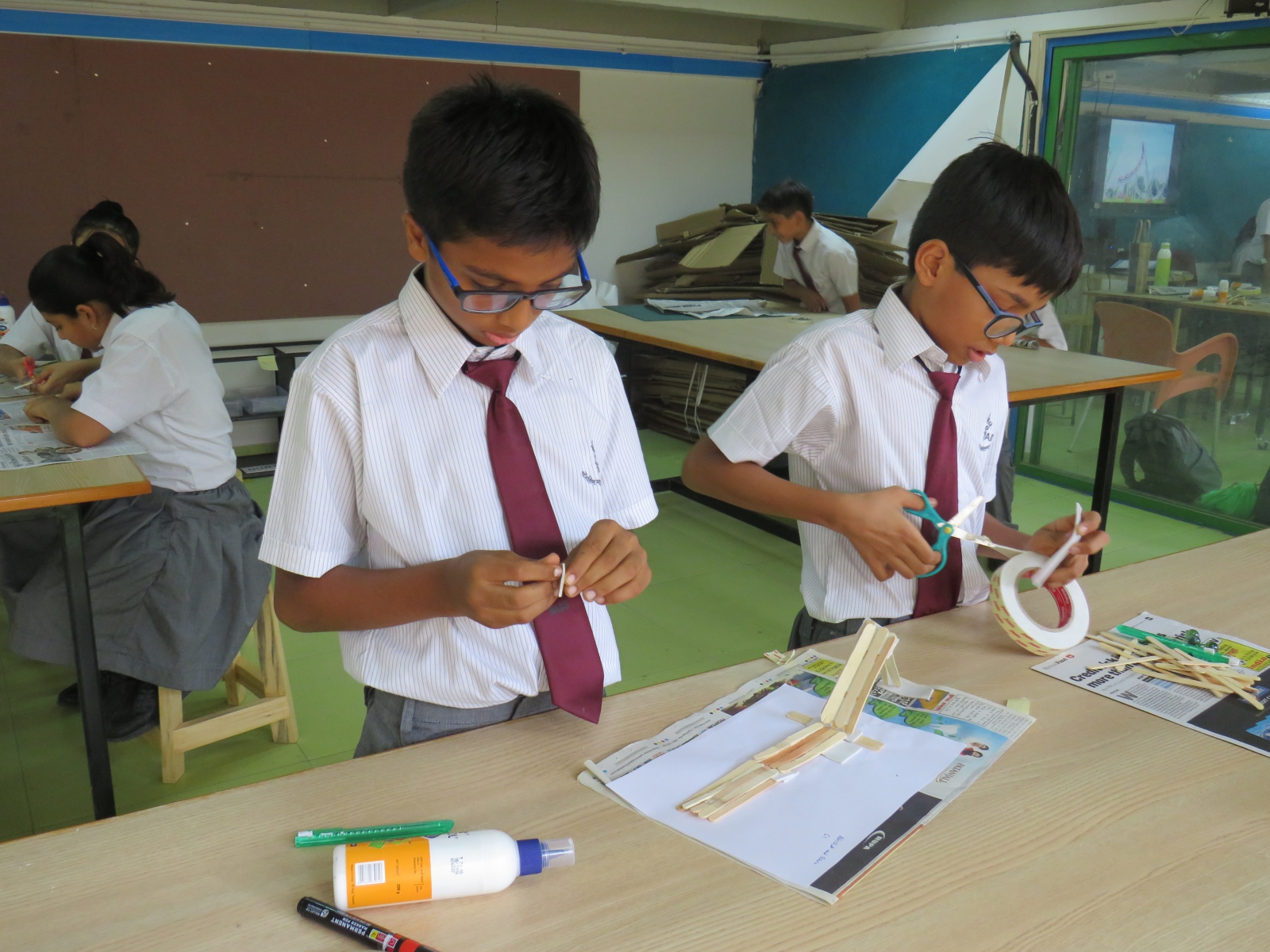
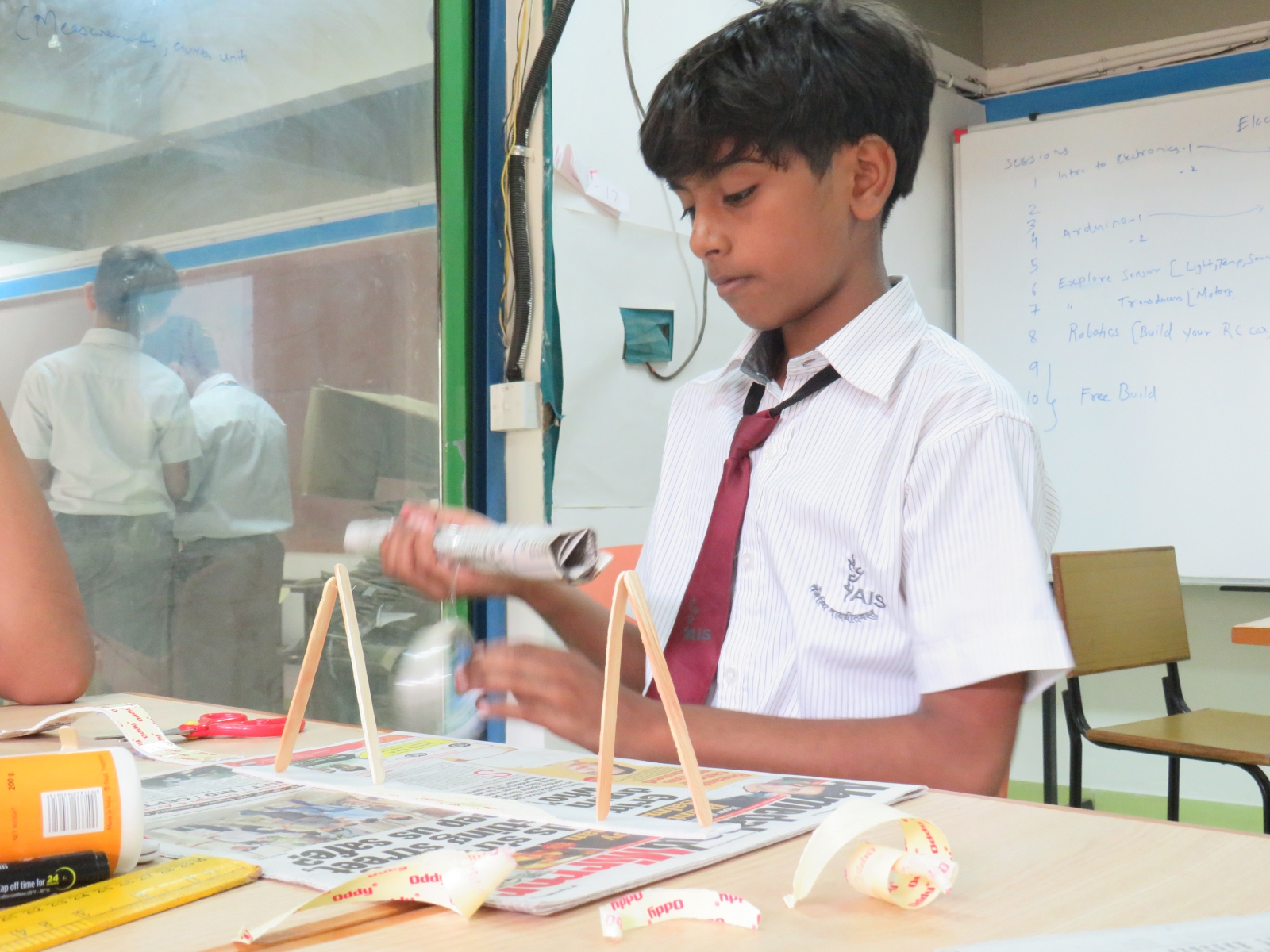
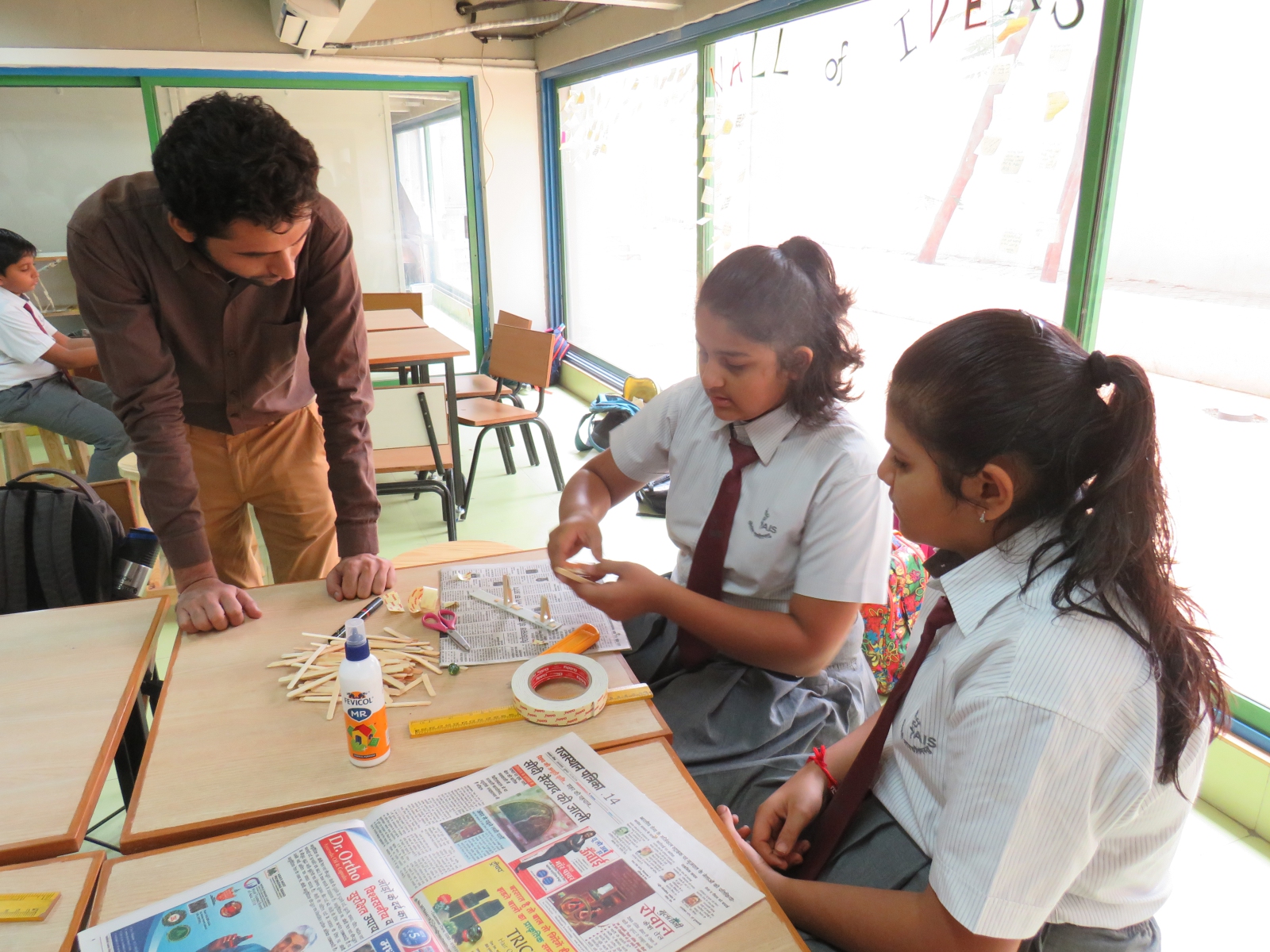
 While in a classroom setting, students are often dependent upon the teacher to further their learning but in the makerspace, the processes of ideation, tinkering, experimenting with new ideas, making modifications and striving for success help young people become self reliant and intrinsically motivated learners. This is an invaluable trait to have in the 21st century world where professional setups require independent thinkers who can

 Ahmedabad International School is hosting the second edition of the Ahmedabad International Model United Nations on 18-19 August, 2017, as part of Kairos, the annual fest organised by students of the International Baccalaureate Diploma Programme. To register and participate, fill in the simple application form at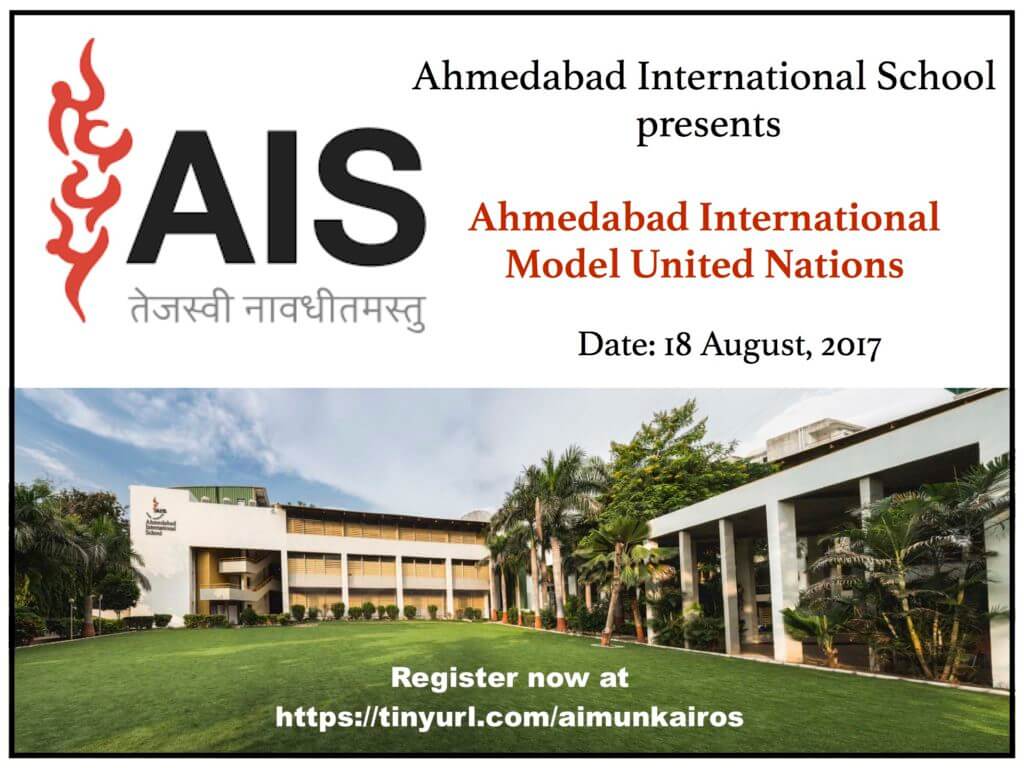


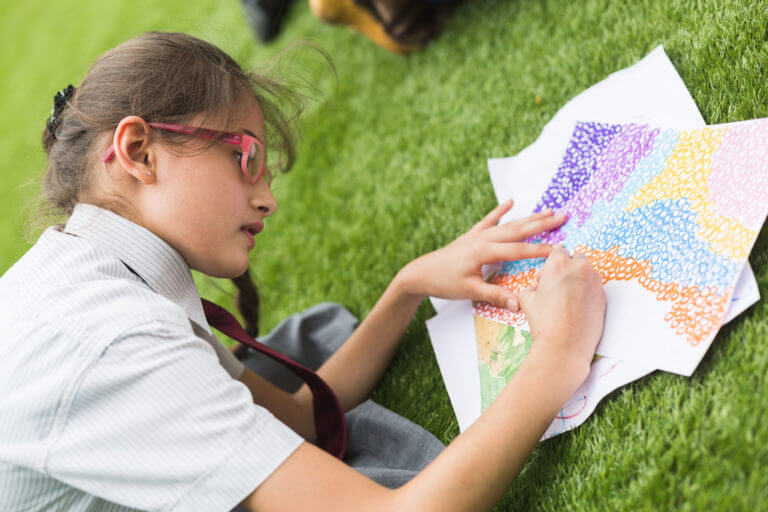 Visual learners can relate better to pictures, images and spatial understanding. They are the kind of people to whom the popular idiom of “a picture is worth a thousand words” holds unequivocally true. They are good at reading maps and graphics so can better comprehend information that is presented in such visual forms.
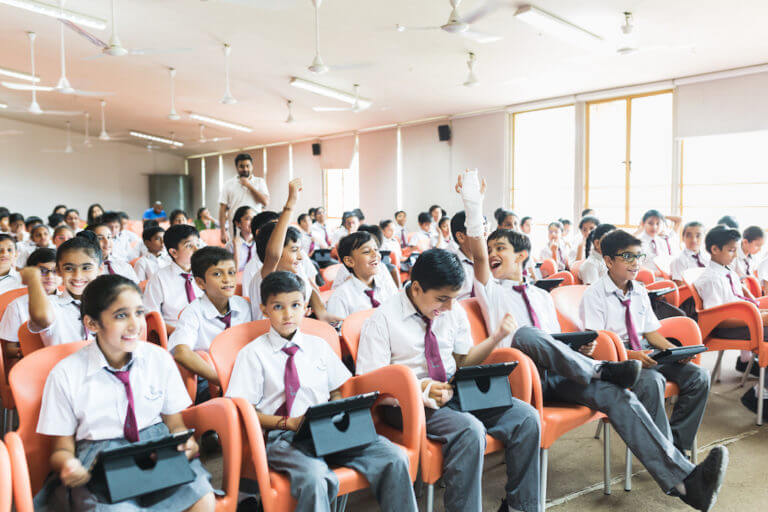 These kinds of learners prefer to learn through sounds and music. They perform well in traditional lecture-driven classroom setups. They can better retain information by speaking it out loud or recording and hearing it back. They are good at keeping up with verbal instructions and enjoy expressing through drama and music.
  Verbal learners find it easy to express themselves, both in writing and speaking. They best absorb information through reading and can easily pick up and use new words. Rhymes, limericks, mnemonics and the like are all effective tools to enhance learning for verbal learners. Verbal learners are most often adept communicators and good at learning foreign languages too.
 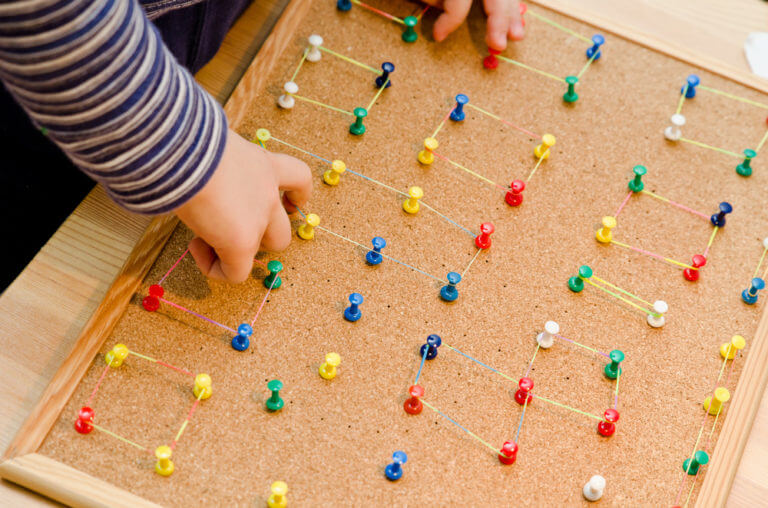 These are the individuals who cannot sit in one place and learn. They require movement and hands-on activity to acquire and retain information.
 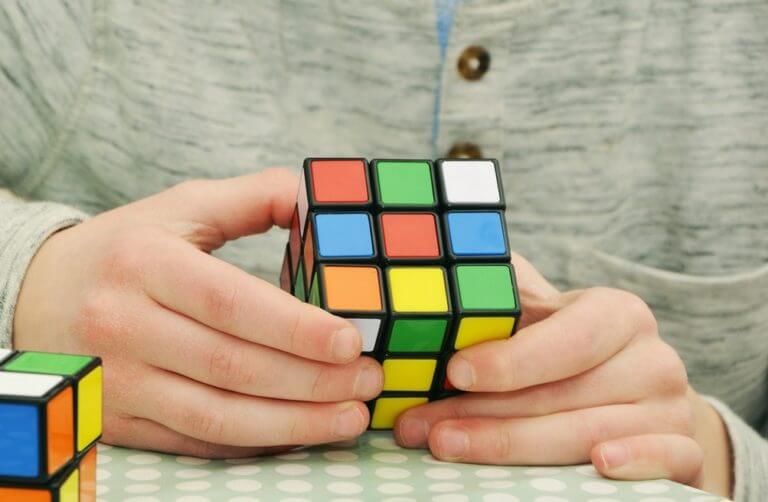 Logical learners are adept at solving math problems, abstracting visual information and analysing cause and effect relationships. They are drawn to logic puzzles and games. They are also natural tinkerers and builders who enjoy bringing mathematical and conceptual ideas into reality via hands-on projects such as computer assisted design, creating electronic devices, using computer applications, or programming computers.
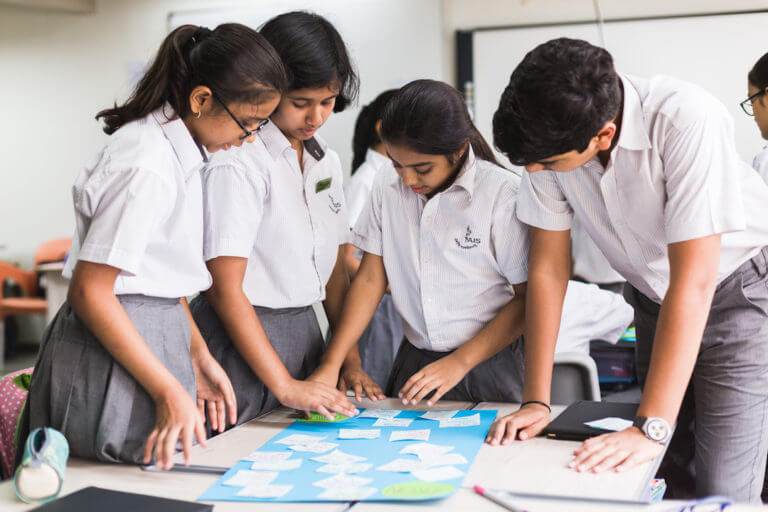 Social learners enjoy interaction with others and do well in group settings. They communicate well and heighten their learning by sharing thoughts and ideas with others. They are best taught through group activities, seminars, and dialogues.
 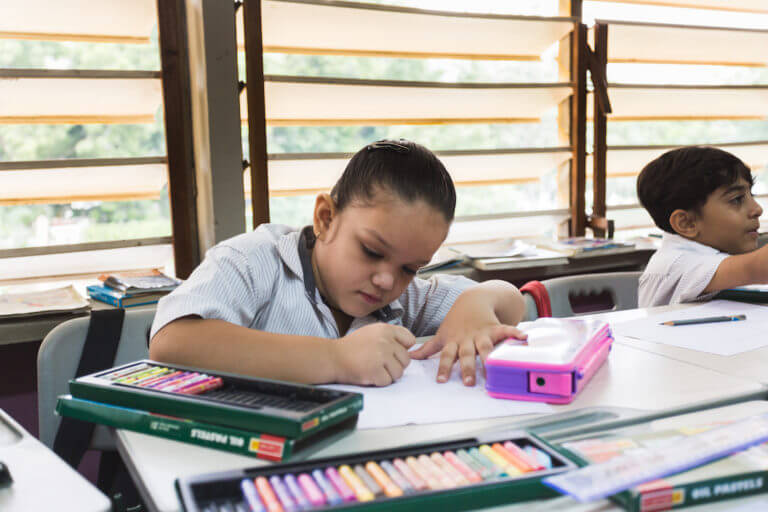 These learners prefer to work alone and use self-study. they are typically introspective and need to work through their thoughts on their own in order to process and reflect upon their learning. They are the most independent kind of learners and have good self-awareness. They work best with tools such as books and journals.